Tim Cook’s AI Gamble: The High-Stakes WWDC That Could Define Apple’s Future
Tim Cook’s final WWDC as Apple CEO could make or break the company’s AI ambitions and stock valuation.
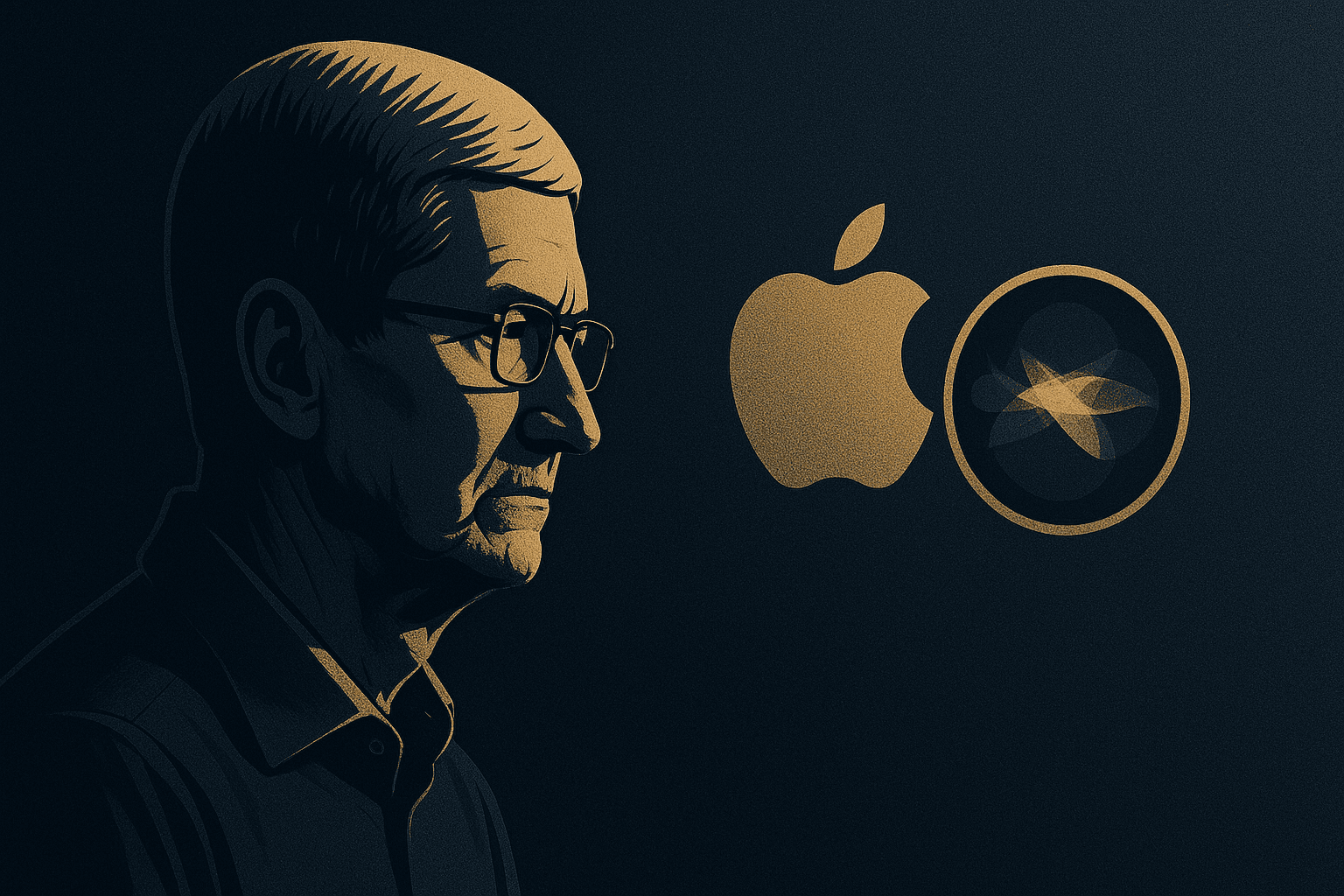
As Apple’s Worldwide Developers Conference (WWDC) approaches, the company faces a critical juncture. Tim Cook, in what is likely his last WWDC as CEO, must confront the challenge of transforming Apple’s AI capabilities, particularly Siri, into a credible platform. The stakes are high, not only for Cook’s legacy but also for Apple’s valuation, which already assumes a successful AI integration.
What happened
Apple’s stock is near record highs, buoyed by strong iPhone sales and a robust services segment. However, the real test at WWDC will be whether Apple can deliver on its long-promised AI experience. The centerpiece of this year’s conference is expected to be a major overhaul of Siri, Apple’s voice assistant, which has long been criticized for its limitations. Analysts anticipate a more powerful Siri, capable of executing multi-step commands and integrating with external models like Google’s Gemini. This revamp is seen as crucial for Apple to justify its high valuation and maintain its position as a leader in consumer technology (CNBC).
Why it matters
For Apple, the WWDC is more than just a showcase of new features; it’s a litmus test for its AI strategy. The company’s valuation has been buoyed by expectations that it will successfully integrate AI into its ecosystem, making Siri a more agentic platform. Investors are keen to see if Apple can leverage its massive user base and device-level distribution to close the AI gap with competitors like Microsoft and Alphabet, who are heavily investing in AI infrastructure. The outcome of WWDC will also influence developer support, crucial for making Siri a viable platform.
The precedent
Apple’s current situation is reminiscent of the challenges faced by Microsoft in the early 2000s, when it struggled to catch up in the internet and mobile markets. Like Microsoft then, Apple now faces a ‘chicken-and-egg’ problem: developers are hesitant to invest in Siri until it proves its worth, but Siri needs developer support to become truly useful. This dynamic has been a stumbling block for many tech giants attempting to pivot into new technological paradigms.
Postmortem
The avoidable mistake for Apple lies in its historically cautious approach to AI investment. While competitors have poured billions into AI development, Apple has taken a more conservative path, focusing on privacy and device-level integration. This strategy, while beneficial for margins, has left Apple trailing in the AI race. The company’s reliance on partnerships, like the rumored collaboration with Google Cloud for Siri’s overhaul, underscores its need to catch up quickly.
What to watch
Investors and analysts will be closely monitoring the specifics of Siri’s updates and the breadth of developer support announced at WWDC. The integration of third-party models and the extent of App Intents partnerships will be key indicators of Siri’s potential utility. Additionally, the September launch of the new iPhone lineup will be a crucial test of whether the updated Siri can drive consumer demand and justify Apple’s high valuation.
In closing, the larger structural question for Apple is whether it can pivot effectively in an AI-driven market landscape. Tim Cook’s legacy and Apple’s future growth depend on the company’s ability to transform its AI strategy from a perceived weakness into a strength. As John Ternus prepares to take the helm, the pressure is on to ensure that Apple’s AI ambitions are realized, or risk being left behind in a rapidly evolving tech ecosystem.