Nvidia Faces Congressional Scrutiny: The AI Chipmaker’s China Dilemma
Nvidia’s AI chip sales to China draw Senate scrutiny, raising regulatory risks for the tech giant.
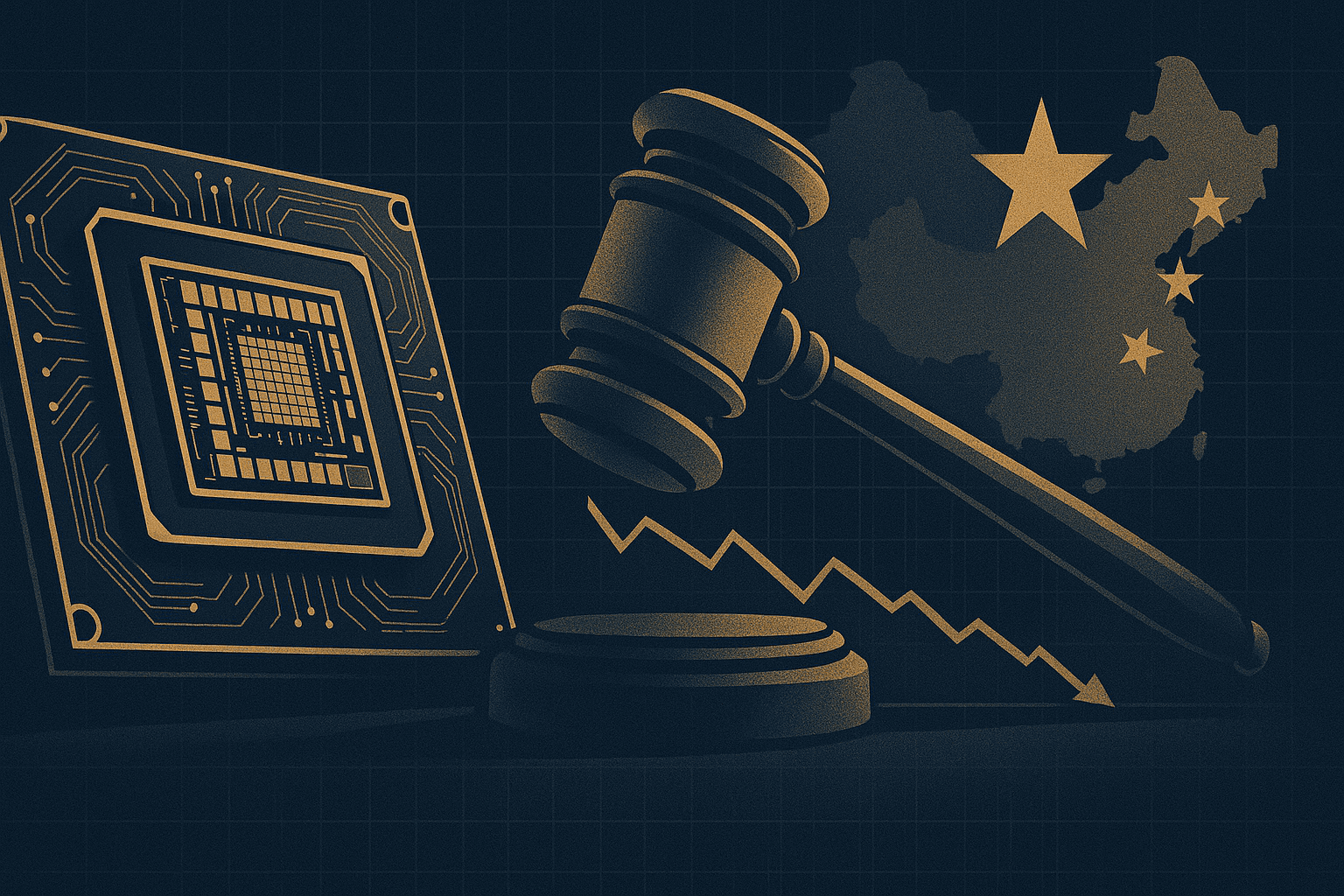
Nvidia, the undisputed leader in the AI chip arena, now finds itself in the crosshairs of U.S. lawmakers. Senator Elizabeth Warren has invited CEO Jensen Huang to testify before the Senate Banking Committee, scrutinizing the company’s sales of AI chips to China. As the geopolitical landscape shifts, Nvidia’s growth narrative faces significant regulatory risks.
What happened
Senator Elizabeth Warren has extended an invitation to Nvidia’s CEO, Jensen Huang, to appear before the Senate Banking Committee on June 11, as reported by CNBC. The focus is on Nvidia’s business dealings in China and the implications for U.S. national security. The company’s chips are critical components in data centers powering advanced AI models, making them a focal point of both economic and security concerns. Warren’s letter highlights the tension between commercial interests and national security, as she questions Nvidia’s role in potentially bolstering Chinese military capabilities.
Why it matters
Nvidia’s dominance in AI chips has positioned the company as a linchpin in the global AI boom. However, this success also means heightened scrutiny from lawmakers concerned about the strategic implications of technology sales to China. The U.S. government’s efforts to restrict China’s access to advanced technology echo a broader geopolitical struggle, with AI chips at the center. The stakes are high, as any imposed restrictions could impact Nvidia’s bottom line and its competitive edge in the AI market.
The precedent
This is not the first time a tech giant has faced congressional scrutiny over foreign sales. The tech sector has seen similar scenarios, such as Huawei’s struggles with U.S. export restrictions. The outcome of these previous cases often hinges on the delicate balance between maintaining market leadership and adhering to national security policies. Nvidia’s situation is reminiscent of these historical tensions, where regulatory actions can have far-reaching impacts on a company’s global strategy.
Postmortem
The avoidable mistake here seems to be a lack of proactive engagement with policymakers. Nvidia’s rapid ascent in the AI chip market is a double-edged sword, with success drawing both admiration and scrutiny. The company could have anticipated such regulatory challenges and taken steps to align its business strategies with evolving geopolitical realities. By not addressing these concerns sooner, Nvidia now faces the possibility of reactive policy measures that could have been mitigated with earlier dialogue.
What to watch
Investors and stakeholders should keep an eye on the outcome of the Senate hearing on June 11, as it could set the tone for future regulatory actions. Additionally, watch for any statements or policy updates from the Biden administration regarding export controls on AI technology. Nvidia’s response to these developments, whether through strategic pivots or increased lobbying efforts, will be crucial in assessing the company’s future trajectory.
Furthermore, pay attention to Nvidia’s upcoming earnings reports for any indications of how these geopolitical tensions are impacting its financial performance. Changes in Nvidia’s China strategy, such as diversifying its market focus or adjusting supply chain logistics, will also be key indicators of how the company plans to navigate this complex regulatory landscape.
Conclusion
The larger structural question at play is how tech companies like Nvidia can balance innovation and market expansion with national security considerations. As AI technology continues to evolve, the intersection of commerce and security will only become more pronounced. The outcome of Nvidia’s current challenges may very well shape the future framework for how tech giants operate on the global stage.