The Debt Elephant: How U.S. Fiscal Mismanagement Fuels Bond Market Chaos
The U.S. debt situation is becoming a critical issue amid rising interest rates, threatening market stability and fiscal health.
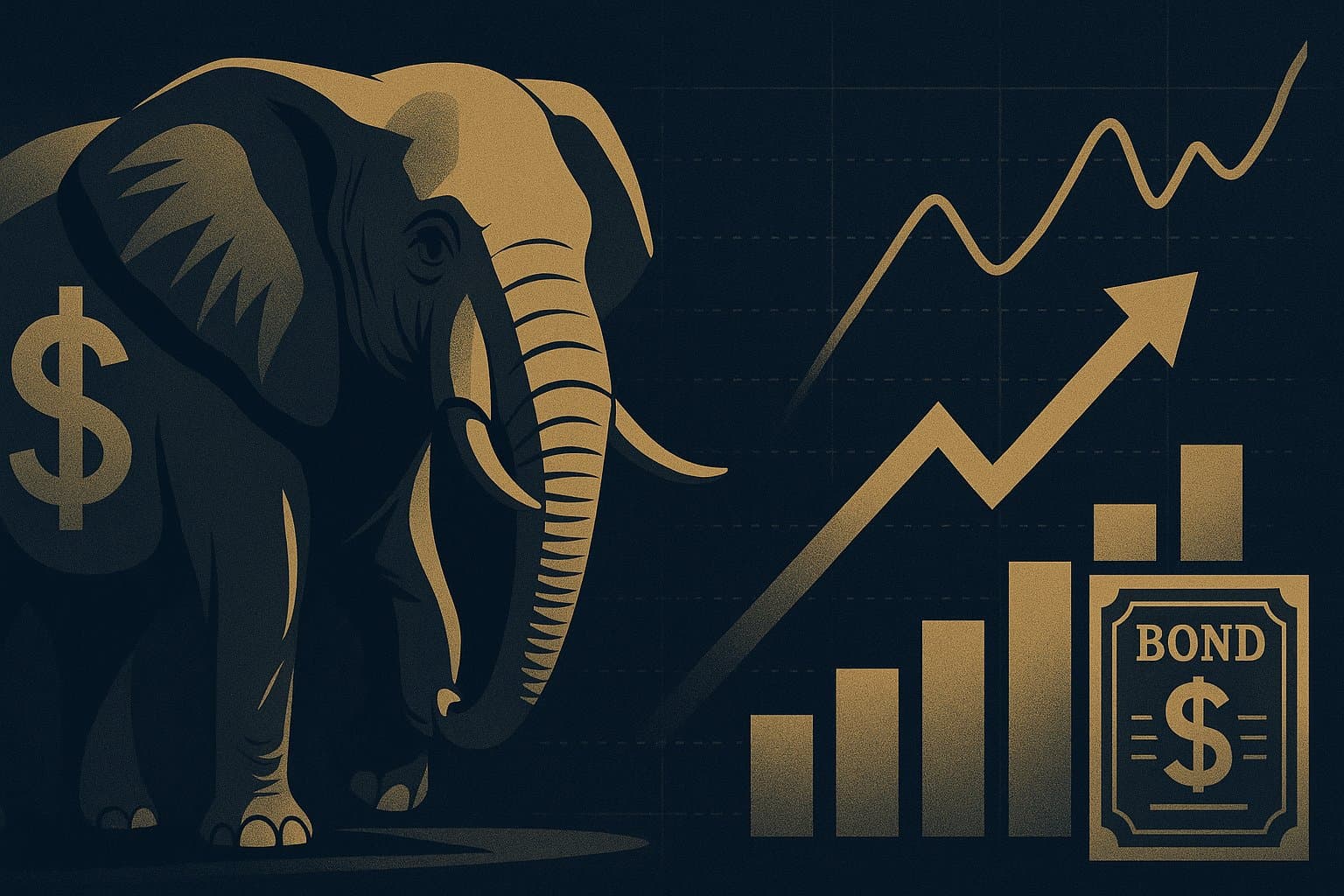
In the midst of a bond market selloff, the United States is grappling with a financial conundrum that could have been avoided: escalating debt exacerbated by rising interest costs. The elephant in the room, as analysts from Bank of America put it, is the burgeoning U.S. fiscal deficit, which is increasingly driving market instability.
What happened
The recent turmoil in the bond market, marked by a selloff and rising yields, can be traced back to a combination of high oil prices, persistent inflation, and resilient economic indicators. However, a more insidious factor is the deteriorating fiscal health of the U.S., which analysts argue is turning short-term problems into long-term market upheavals. As long-term yields hit levels unseen since the Great Financial Crisis, the bond vigilantes have made a comeback, pushing yields higher in protest of the U.S.’s unsustainable fiscal path (source).
Why it matters
The implications of this financial scenario are profound. Rising interest rates, compounded by high inflation and economic resilience, typically lead to expectations of Federal Reserve rate hikes. However, the current situation has led to a steepening yield curve, with long-term rates surging. This anomaly suggests deeper issues at play, primarily the U.S.’s fiscal policy. As interest payments on debt swell, the federal budget is strained, potentially leading to increased deficits and further market instability.
Postmortem
At the heart of this issue lies a governance failure in managing the nation’s fiscal health. The federal government’s need to issue more debt than anticipated, exacerbated by tax cuts and weakening cash flow, highlights a lack of foresight. The Committee for a Responsible Federal Budget projects that if rates remain elevated, the debt could balloon by an additional $2 trillion over the next decade. This paints a grim picture where debt servicing costs could consume a significant portion of federal revenue, rising from 19% in 2025 to 30% by 2036. Such fiscal mismanagement not only threatens market stability but also leaves the U.S. vulnerable to future economic shocks.
The open question remains: Can the U.S. government implement effective fiscal policies to manage its burgeoning debt and stabilize market conditions, or will the debt elephant continue to trample through the economy?