AI Hype Meets Harsh Reality: The Budgetary Strain on Enterprises
The allure of AI has led companies like Uber to overspend, revealing a disconnect between investment hype and actual ROI.
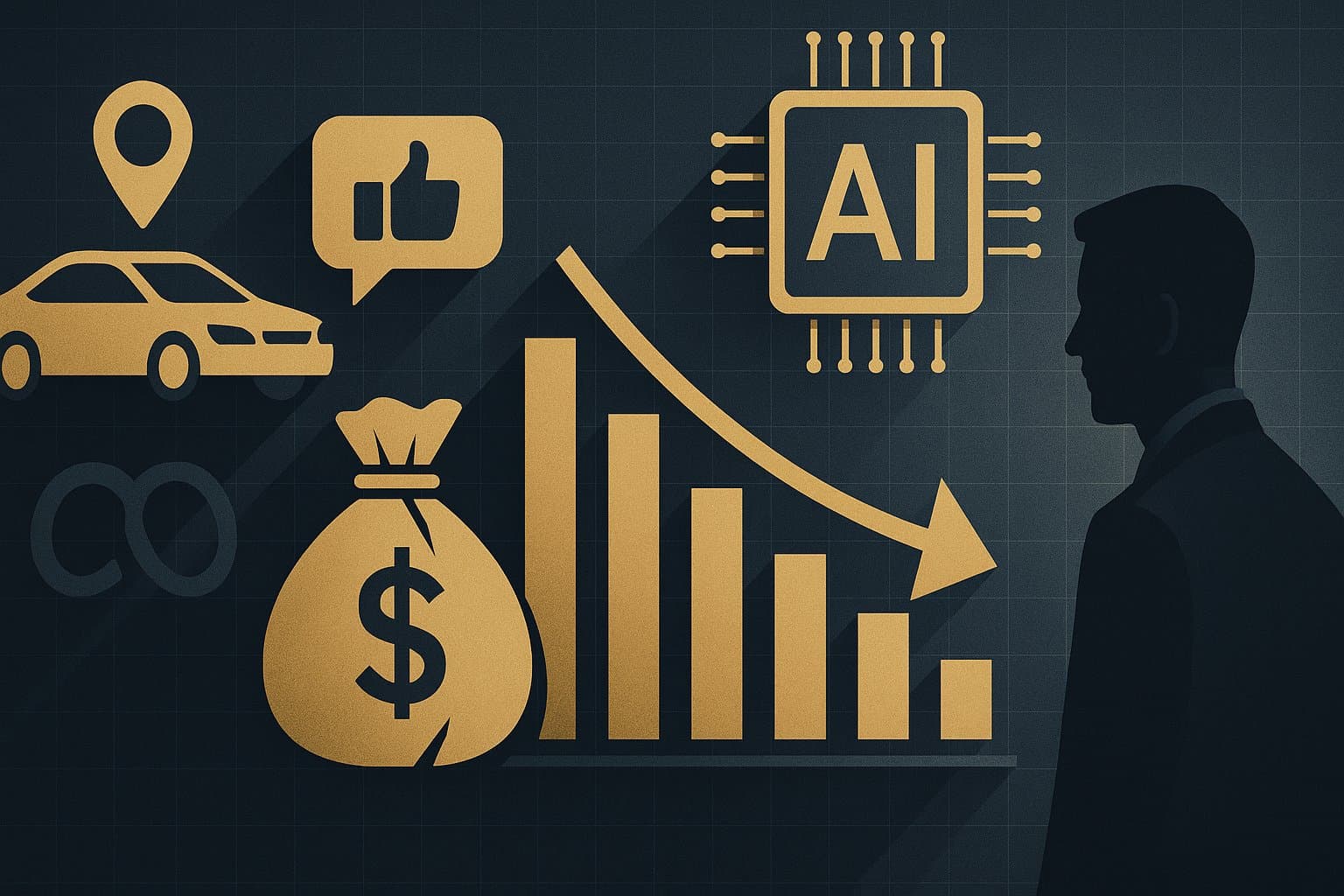
In the world of tech, where buzzwords often translate to billion-dollar bets, AI has been the latest darling. The allure of artificial intelligence, with its promise of revolutionizing industries, has led companies to push AI usage to its limits. But as the dust settles, it appears that many enterprises, including Uber, are grappling with the harsh reality of having overspent their AI budgets without commensurate returns.
What happened
Earlier this year, the phenomenon known as ‘tokenmaxxing’ swept through Silicon Valley. CEOs were fervently encouraging their teams to maximize AI usage, driven by the fear of missing out on the next big technological leap. However, this enthusiasm quickly met its financial limits. According to TechCrunch, Uber reportedly exhausted its annual AI budget within mere months, prompting a reevaluation of AI investments across the board. Other companies, like Meta, have also scaled back, discontinuing certain internal AI initiatives as they reassess their returns on investment.
Why it matters
The gap between AI hype and actual return on investment (ROI) underscores a critical governance failure within many enterprises. While the potential of AI is undeniable, the lack of strategic foresight in aligning AI investments with tangible business outcomes has become glaringly obvious. This misalignment not only strains financial resources but also jeopardizes the credibility of AI initiatives. For companies like Uber and Meta, whose business models heavily rely on technological advancements, the need to demonstrate ROI is paramount. Moreover, the broader tech industry is watching closely, as these companies often set the precedent for AI adoption strategies.
The pattern
This is not the first time Silicon Valley has been swept up in the fervor of technological innovation, only to face a sobering financial reality. The dot-com bubble of the late 1990s serves as a historical parallel, where exuberant investments in internet-based companies led to inflated valuations and eventual market corrections. Similarly, the AI boom has been characterized by aggressive spending with the expectation of future returns. Yet, as with the dot-com era, the lack of immediate, measurable results has led to a reevaluation of investment strategies.
Postmortem
The avoidable mistake here lies in the disconnect between AI investment and strategic business objectives. The rush to adopt AI technologies without a clear understanding of their impact on the bottom line reflects a broader governance issue. Enterprises have been entranced by the potential of AI, often making decisions based on competitive pressure rather than strategic alignment. This has led to overspending and, in some cases, the scaling back or abandonment of AI projects that did not deliver the expected ROI.
What to watch
As companies reassess their AI strategies, several markers will be worth watching. Firstly, the next round of earnings reports will likely reveal more about how these enterprises are adjusting their AI investments. Secondly, any shifts in executive leadership, particularly in roles related to technology and innovation, could signal a strategic pivot. Lastly, regulatory developments concerning AI governance and ethical considerations may also influence how companies allocate resources toward AI initiatives.
In conclusion, the current AI spending predicament raises a larger structural question about the balance between innovation and fiscal responsibility. As enterprises navigate this complex landscape, the ability to align technological advancements with concrete business outcomes will be crucial in determining the long-term viability of AI investments.